Green & Intensive, Cost Reduction & Efficiency Improvement | Liming Heavy Industry Complete Solutions for Cement Grinding Stations
Drawing on its accumulated expertise in grinding technology, Liming Heavy Industry develops a new generation full package solution for cement grinding stations centered on the LM vertical roller mill. Balancing output, energy consumption, environmental performance and intelligence, we provide building materials enterprises at home and abroad with full chain services covering process planning, equipment manufacturing, installation & commissioning, as well as operation and maintenance guidance.
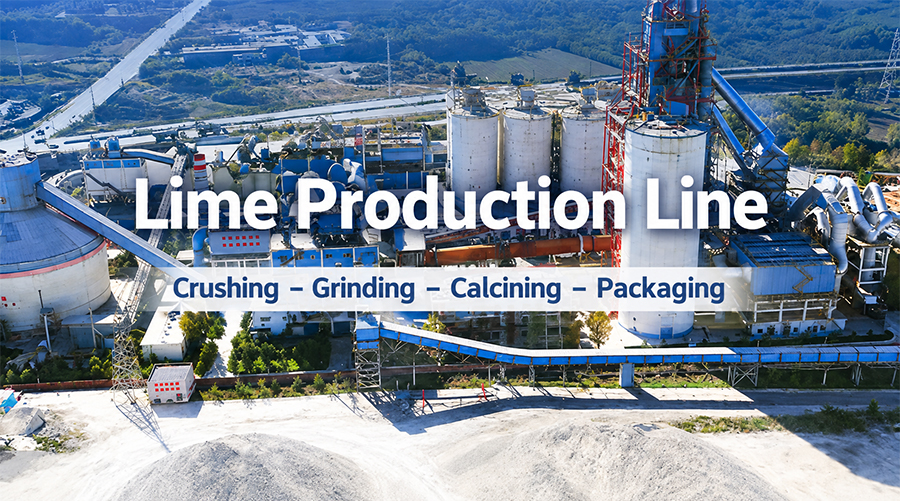
Cement grinding stations serve as core units at the downstream end of the cement industrial chain. They require no clinker calcination system and use externally purchased clinker, gypsum, slag, fly ash and other raw materials. Through batching, grinding, powder selection, storage and packaging processes, finished cement is produced. Featuring moderate investment scale, short construction cycle, flexible proximity to markets and the capacity to consume industrial solid wastes, cement grinding stations are an important carrier for the green and circular development of the building materials industry.
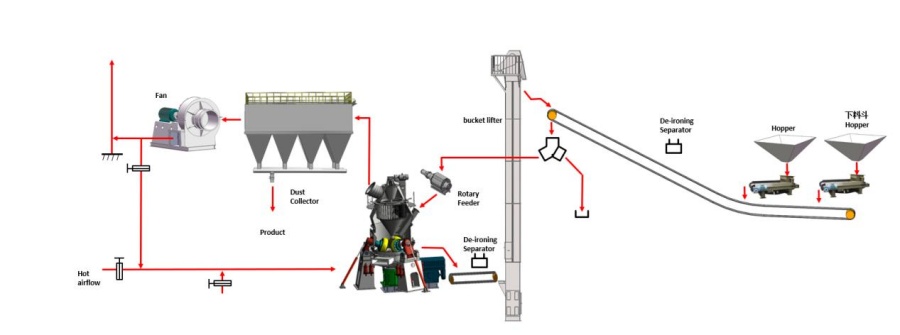
Complete Process Flow of Cement Grinding Station
A cement grinding station is generally divided into five modules: raw material receiving and storage, precise batching, grinding and classification, finished product collection and storage, as well as packaging and bulk delivery. There are two mainstream technical routes: closed-circuit grinding with vertical roller mill, and combined grinding of roller press and ball mill. Among them, the vertical roller mill solution offers more prominent advantages in intensification.
1. Raw Material Receiving and Storage
Raw materials such as clinker, gypsum, slag and fly ash are delivered to the plant by truck or railway, then unloaded into raw material yards and silos respectively. Admixtures with high moisture content may undergo pre-drying treatment. The material yards are equipped with enclosed dust suppression facilities to reduce fugitive dust emissions. Bulk auxiliary materials including gypsum are crushed by small crushers to meet the required feed size.
2. Weighing and Batching System
Multiple raw materials are proportioned precisely according to the cement formula via quantitative belt feeders and screw weighers under respective silos. Magnetic separators are installed along the conveying route to remove ferrous impurities and protect the downstream main grinding equipment.
3. Grinding and Classification (Mainstream Vertical Mill Process)
Process flow: Raw material silo → Constant feeder → Air-locking feeder → LM Vertical Roller Mill → Integral high-efficiency classifier → Pulse baghouse dust collector → Finished product conveying system → Cement silo
Materials are fed onto the mill table of the vertical mill and spread into a stable material bed under centrifugal force. Grinding rollers apply pressure to pulverize the materials. Hot air supplied by kiln waste heat or hot blast stove enters the mill chamber to dry materials simultaneously, enabling the processing of high-moisture slag and fly ash. The ground materials are carried by upward airflow into the built-in high-efficiency classifier.
4. Finished Product Collection, Storage and Dispatch
Qualified cement product is captured by the pulse baghouse dust collector and conveyed via air slides and bucket elevators to multiple large cement silos. Discharging devices are arranged at the silo bottom for two delivery routes: one to the packaging system for bagged cement, and the other connected to bulk loading equipment to load bulk cement directly into tank trucks. The whole system operates under negative pressure to prevent dust leakage.
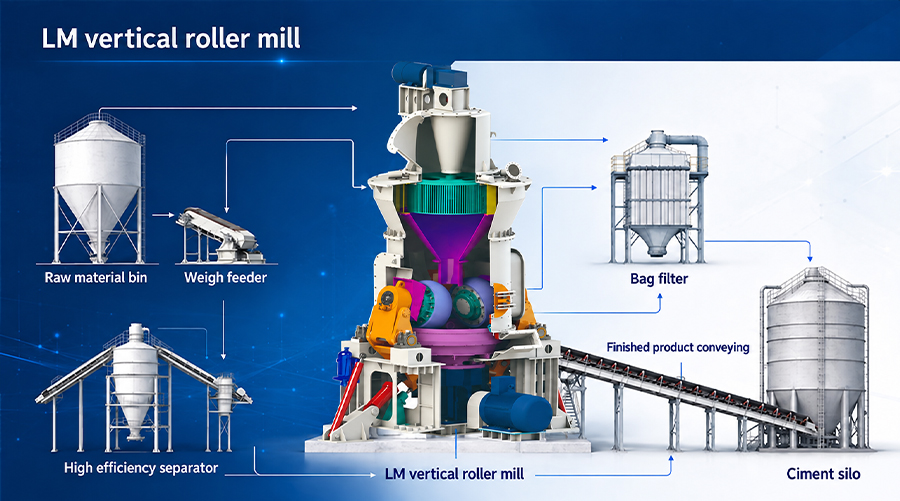
Core Equipment Selection & Solution Advantages
Main equipment: LM Vertical Roller Mill (Cement-dedicated Model)
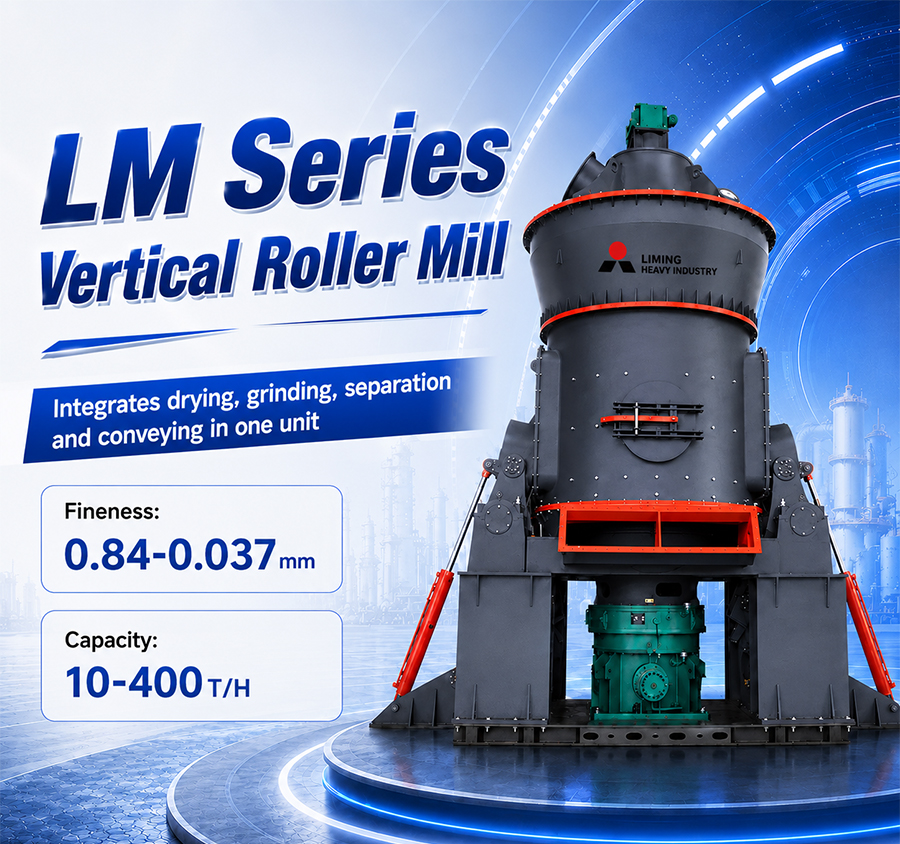
It integrates multiple functions including drying, grinding, classification and conveying. Compared with traditional ball mill systems:
1. Energy Saving & Consumption Reduction: Specific power consumption is 20–30% lower than that of ball mills. Material-bed grinding avoids steel ball impact, resulting in lower operating noise.
2. Powerful Drying Capacity: Hot air enters the mill directly. It can process high-moisture admixtures such as slag and steel slag without a separate dryer.
3. Compact Layout: Small equipment footprint cuts civil engineering investment. Outdoor installation is available to reduce workshop construction costs.
4. Stable Product Quality: Controllable material bed and sufficient material mixing deliver consistent cement fineness and particle size distribution, helping guarantee cement strength indexes.
Reference Cases
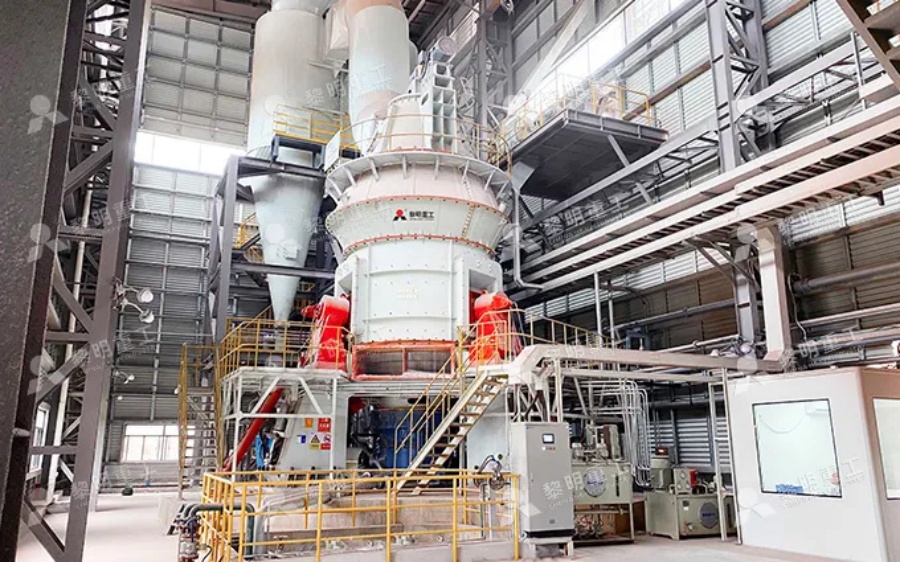
1. South Africa S95 Slag Cement Composite Grinding Project
The project adopts LM vertical roller mill as core equipment for the co-grinding of blast furnace slag, clinker and gypsum. It converts metallurgical solid waste into high-performance raw materials for composite cement. The integrated system combines drying, grinding and dust collection, supporting the local resource utilization of solid waste in the building materials sector.
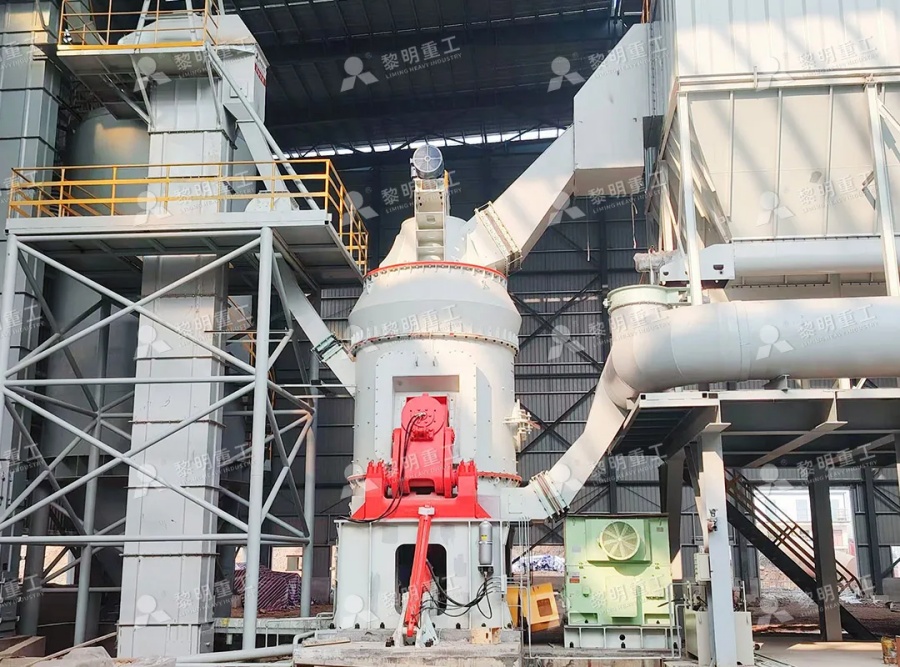
2. Domestic 55 t/h Cement Grinding Station Project
Fully equipped with Liming Heavy Industry LM vertical mill grinding system. After commissioning, the specific surface area of finished P.O 42.5 cement is steadily ≥360 m²/kg. Dust emission outperforms local ultra-low emission standards. The slag admixture ratio is greatly increased, and the overall production cost of the plant is substantially reduced.
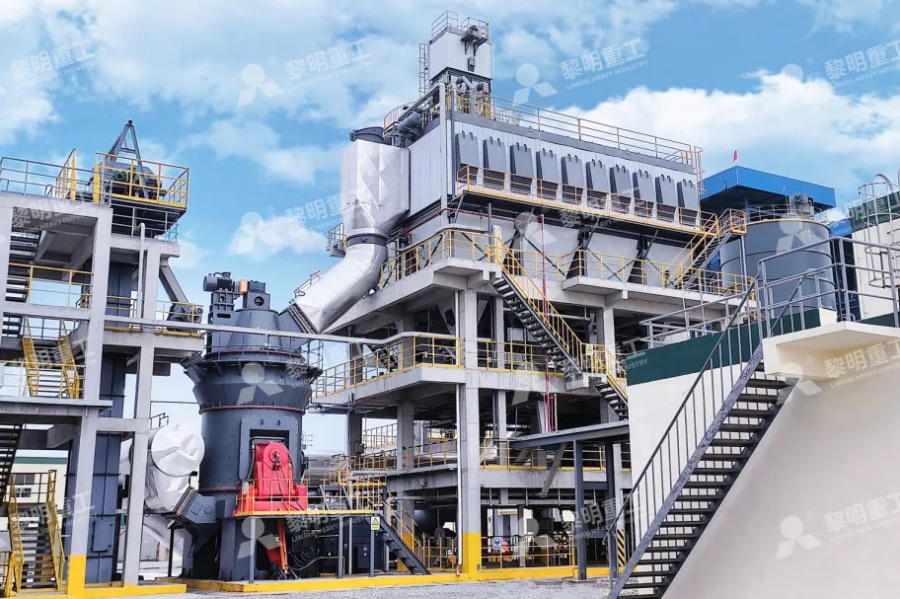
3. Central Asia Overseas EPC Cement Grinding Project
Tailored hot-air drying system and intelligent batching control were developed to adapt to local operating conditions including fluctuating clinker quality and high moisture content of admixtures. The complete production line suits local climate and raw material characteristics, with full-scope EPC services delivered.
Liming Heavy Industry Service Support
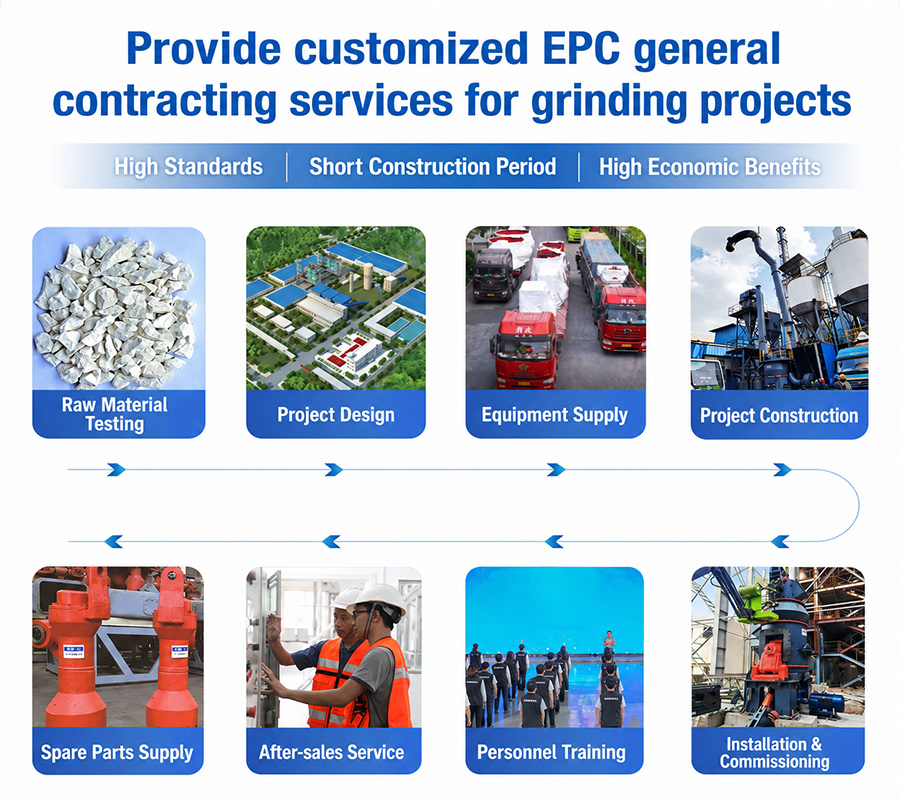
With nearly 40 years of experience in R&D and manufacturing of grinding equipment, Liming Heavy Industry provides full-lifecycle services for cement grinding station projects:
1. Pre-project Planning: Raw material testing and analysis, site survey, process scheme selection and investment estimation;
2. Equipment Delivery: Integrated supply of main machines, auxiliary equipment, electrical control and dust collection equipment;
3. On-site Implementation: On-site technical guidance for installation and commissioning, as well as operator training;
4. After operation Maintenance: Spare parts supply, regular follow-up visits, remote troubleshooting and recommendations for production line optimization and revamping.
The complete cement grinding station solution from Liming Heavy Industry, centered on LM vertical roller mill core equipment, takes efficiency, energy saving, environmental protection and intelligence into consideration, helping building materials enterprises achieve cost reduction, efficiency improvement and green transformation.